School updates in plain language, simple ideas to try at home, and a place to start when you’re worried about your child.
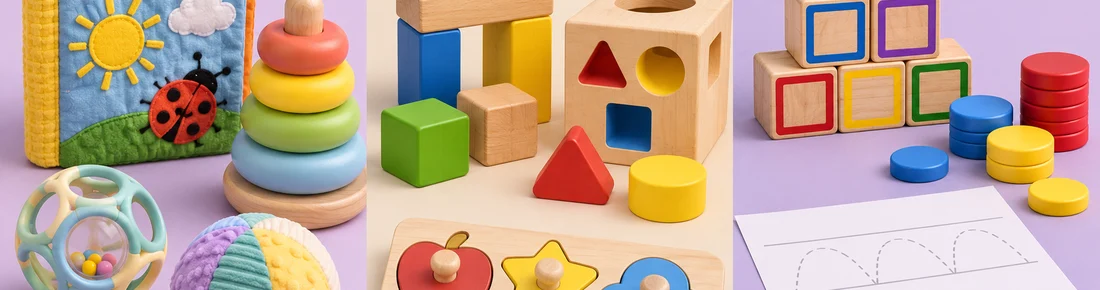
Examples of materials families can use to practice through play.
A Little Reading, a Little Cooking, and Time Together
Parents and caregivers, your everyday moments with your child matter. Reading a story, talking about a picture, or preparing a snack together gives your child opportunities to listen, ask questions, and share ideas.
You don’t have to finish a whole book to make reading time meaningful. Let your child choose a story, pause to talk about a favorite picture, and ask, “What do you think will happen next?” For babies and toddlers, point to familiar objects, name them, and give your little one time to respond with sounds, gestures, or words.
Older children need that connection, too. Ask them to tell you about something they’ve read or explain an assignment in their own words. Listen with curiosity and let them know their ideas matter.
Quick Bites for Busy Families — Banana Yogurt Roll-Ups
Ready in about 5 minutes!
Ingredients
1 soft tortilla
2 tablespoons plain yogurt
½ banana, mashed
A small sprinkle of cinnamon, optional
Directions
Mix the yogurt and mashed banana.
Spread a thin layer over the tortilla.
Add cinnamon if you like.
Roll up and cut into pieces suited to your child’s eating abilities.
Little helping hands: Your child can mash the banana with a fork or help spread the filling.
While you prepare your snack, talk about what comes first, next, and last. Read the ingredients aloud, count together, and enjoy the conversation.
Every child has their own pace and way of learning. Your attention, encouragement, and shared joy give them room to explore.
With love, Ms. Kelley
Small steps. Beautiful growth.
What’s changing in NC schools?
North Carolina reported gains on 16 of 18 state tests in 2025–26. Third- and fourth-grade reading are still worth watching.
Read more about What’s changing in NC schools?
When you talk with your child’s teacher, ask which reading or math skill would make the biggest difference right now. It might be sounding out new words or deciding what a math word problem is asking.
NC students take end-of-grade reading and math tests in grades 3–8. One score is one piece of your child’s learning story.
Read more about Your child’s test results are in. Now what?
Compare the score report with classwork and teacher feedback. Ask, “What’s one skill we can practice at home, and how will we know it’s getting easier?” Check with your school for testing dates and help reading the report.
The 2024 Nation’s Report Card showed an uneven recovery in North Carolina.
Read more about How are NC students doing after COVID-19?
Fourth- and eighth-grade reading and eighth-grade math were still below pre-pandemic levels. Fourth-grade math showed no statistically significant change from 2019. Eighth-grade math was above the national average in 2024.
These are statewide results. To understand how your child is doing, start with a recent assignment and ask what felt easy and where they got stuck.
Ask your child to explain what the question is asking in their own words.
Read more about A two-minute habit for reading and math
Read a short passage or a math word problem together. Ask your child to point to one detail that helps, then say what they’d do first. If they’re unsure, reread the directions together and try one step.
Your child is so much more than a test score
We’re here for you. Every child learns differently. We listen to you and your child and look together at where a task gets hard, whether it’s reading the directions, finding a starting point, or staying with it when frustration sets in.
Sometimes a child needs help with an academic skill. Sometimes frustration, attention, or a change in routine makes it harder to get started or stay with a task. Sometimes both are at play. Together, we look for what’s getting in the way and choose one practical step. When a concern calls for more support, we can help you think through what to share with your child’s teacher or another qualified professional.
Bring a recent assignment, a score report, or simply a question. We’ll start wherever your family is.
Every family is welcome here. Your gift helps families access teaching sessions when the cost is a barrier. You can help cover one session or contribute toward a series of up to eight, depending on what the family needs and the funds available.
One session can give a child a chance to work through something that’s been hard. A series gives them time to practice and build on what they’ve learned. Whatever you’re able to give, thank you for helping a family take that next step.
 Ms. Kelley’s Little Learners